
English
Views: 0 Author: Site Editor Publish Time: 2026-01-04 Origin: Site


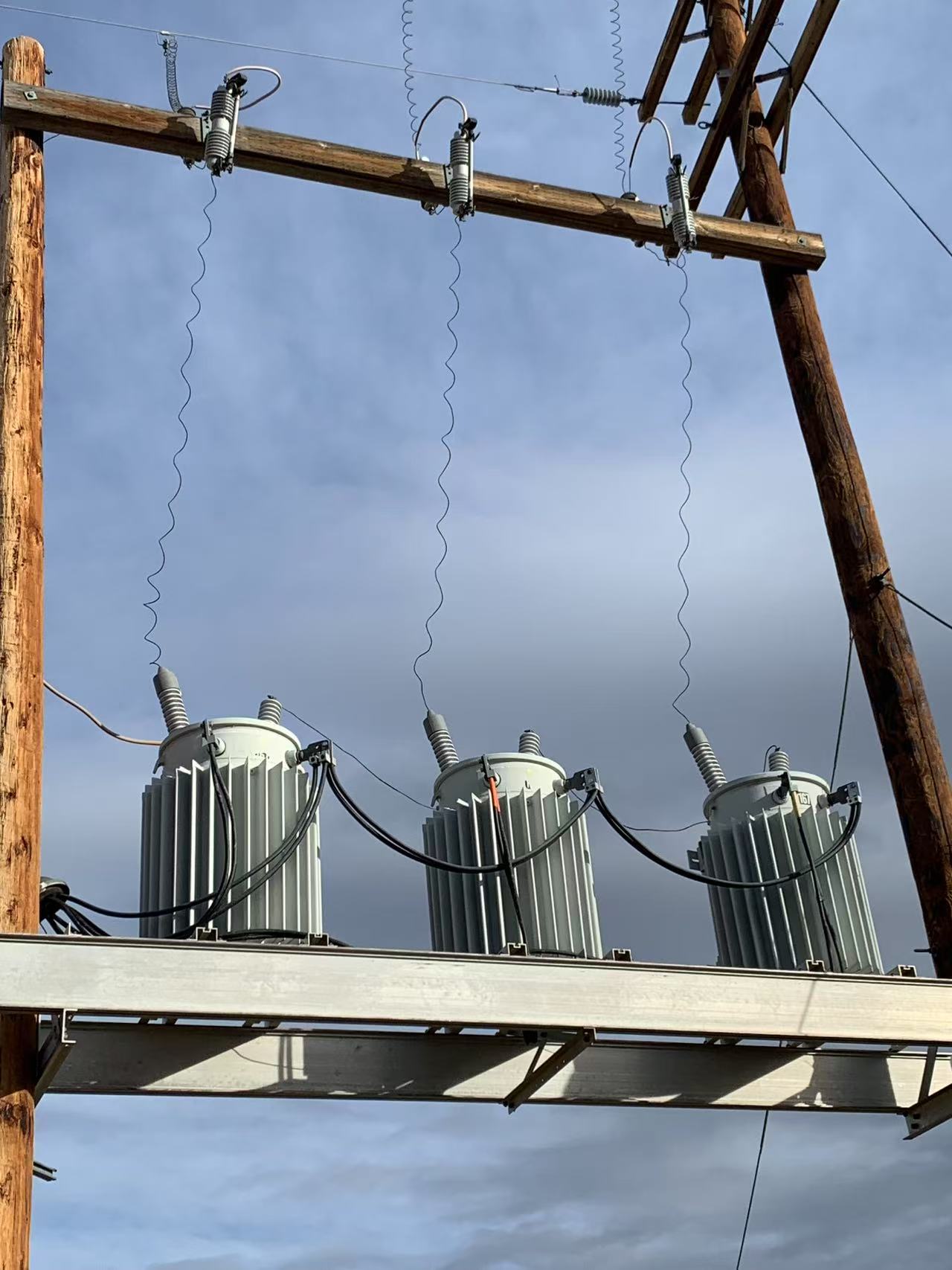
Pole-mount transformers are the unsung heroes of the electrical distribution network, quietly stepping in to step down high-voltage power from transmission lines to the low-voltage electricity we use in homes, businesses, and communities. Their importance cannot be overstated: they serve as the critical link between the bulk power grid and end-users, ensuring that electricity is delivered at a safe, usable voltage. Without reliable pole-mount transformers, power outages would be far more frequent, and sensitive electrical equipment (from household appliances to industrial machinery) would be at risk of damage from unregulated voltage. Their reliability directly impacts the stability of our daily power supply—so when it comes to selecting pole-mount transformers, quality isn’t just a “nice-to-have” but a critical requirement. But what exactly defines a high-quality pole-mount transformer? In this blog, we’ll break down the key features that set top-tier models apart, helping you understand what to look for when prioritizing performance, safety, and longevity.
The windings, too, are built for durability and performance. Top models use high-grade copper (or premium aluminum in some cases) conductors with precise insulation. Copper is preferred for its superior conductivity and heat resistance, ensuring the transformer can handle peak load demands without overheating. The insulation material—often vacuum-pressure impregnated (VPI) epoxy or polyester—is designed to withstand extreme temperatures, moisture, and chemical exposure, preventing short circuits and extending the winding’s lifespan.
Unlike indoor transformers, pole-mount units are exposed to the harshest elements: scorching sun, heavy rain, snow, ice, high winds, and even salt spray in coastal areas. A high-quality pole-mount transformer is built to thrive in these conditions, thanks to aweather-tight enclosure and corrosion-resistant materials.
The tank (which houses the core and windings in insulating oil) is typically made from heavy-gauge, corrosion-resistant steel with a specialized coating—such as powder coating or hot-dip galvanization—to prevent rust and deterioration. The enclosure’s seals are airtight and water-resistant, keeping moisture, dust, and debris out of the internal components. For coastal or industrial environments, some models even offer enhanced protection, such as stainless steel hardware or chemical-resistant coatings, to withstand salt, pollutants, and industrial fumes.
Additionally, the transformer’s design accounts for thermal expansion and contraction, ensuring the tank and seals remain intact even as temperatures fluctuate drastically between day and night or season to season.
Overheating is one of the biggest threats to transformer lifespan and reliability. High-quality pole-mount transformers incorporate effective thermal management systems to dissipate heat efficiently, even during peak load periods (e.g., hot summer days when air conditioners are running full blast).
Most pole-mount transformers use mineral oil or biodegradable ester oil as an insulating and cooling medium. Premium oils have high thermal conductivity and a high flash point, ensuring they can absorb and dissipate heat effectively while reducing the risk of fire. The tank is often equipped with cooling fins—extended metal surfaces that increase the surface area for heat transfer—allowing heat to escape quickly into the surrounding air.
Some advanced models also include thermal monitoring devices, such as temperature sensors, that alert utilities to abnormal heating before it causes damage. This proactive approach to thermal management helps prevent costly breakdowns and unplanned outages.
Safety is non-negotiable when it comes to electrical equipment, and high-quality pole-mount transformers are packed with features to protect workers, the public, and the transformer itself. Key safety features include:
Pressure Relief Valves: These prevent the tank from rupturing if internal pressure builds up (e.g., due to overheating or a fault), releasing excess pressure safely.
Low-Oil-Level Alarms: Monitor the oil level in the tank—low oil levels can lead to overheating and insulation failure, so these alarms alert utilities to potential issues early.
Grounding Provisions: Ensure the transformer is properly grounded, reducing the risk of electric shock and protecting against voltage surges.
Insulation Resistance: Premium insulation materials and rigorous testing ensure the transformer meets or exceeds industry safety standards (e.g., IEEE, IEC), preventing electrical leaks and short circuits.
These features not only keep people safe but also ensure the transformer complies with global safety regulations, avoiding costly fines and liability issues for utilities.
The frame is typically made from heavy-duty steel, engineered to support the transformer’s weight (which can range from hundreds to thousands of pounds) and resist bending or twisting under wind pressure. The mounting brackets and hardware are corrosion-resistant and designed to fit standard utility poles, ensuring a secure attachment. Some models also include lifting lugs for safe and easy installation, reducing the risk of damage during setup.
Top-tier transformers also have a high short-circuit withstand capability, meaning they can survive short-circuit faults (e.g., from a downed power line) without suffering permanent damage. This is critical for maintaining grid stability during emergencies, as the transformer can continue operating once the fault is cleared.
High-quality pole-mount transformers are designed to minimize maintenance needs and maximize service life—often 20 to 30 years or more with proper care. Key design elements that support this include:
Accessible Components: Valves, gauges, and monitoring devices are placed in easy-to-reach locations, making routine inspections and maintenance faster and safer.
High-Quality Insulating Oil: Premium oils resist oxidation and degradation, reducing the need for frequent oil changes.
Rigorous Testing: Reputable manufacturers subject their transformers to strict quality control tests—such as dielectric strength tests, load tests, and thermal tests—before they leave the factory, ensuring they meet performance standards and are free from defects.
A high-quality pole-mount transformer isn’t just a piece of equipment—it’s an investment in grid reliability, energy efficiency, and safety. By prioritizing features like robust core and winding design, weather resistance, thermal management, safety provisions, mechanical strength, reliable load handling, and easy maintenance, utilities and project owners can avoid costly downtime, reduce energy waste, and ensure a steady power supply for years to come.


